
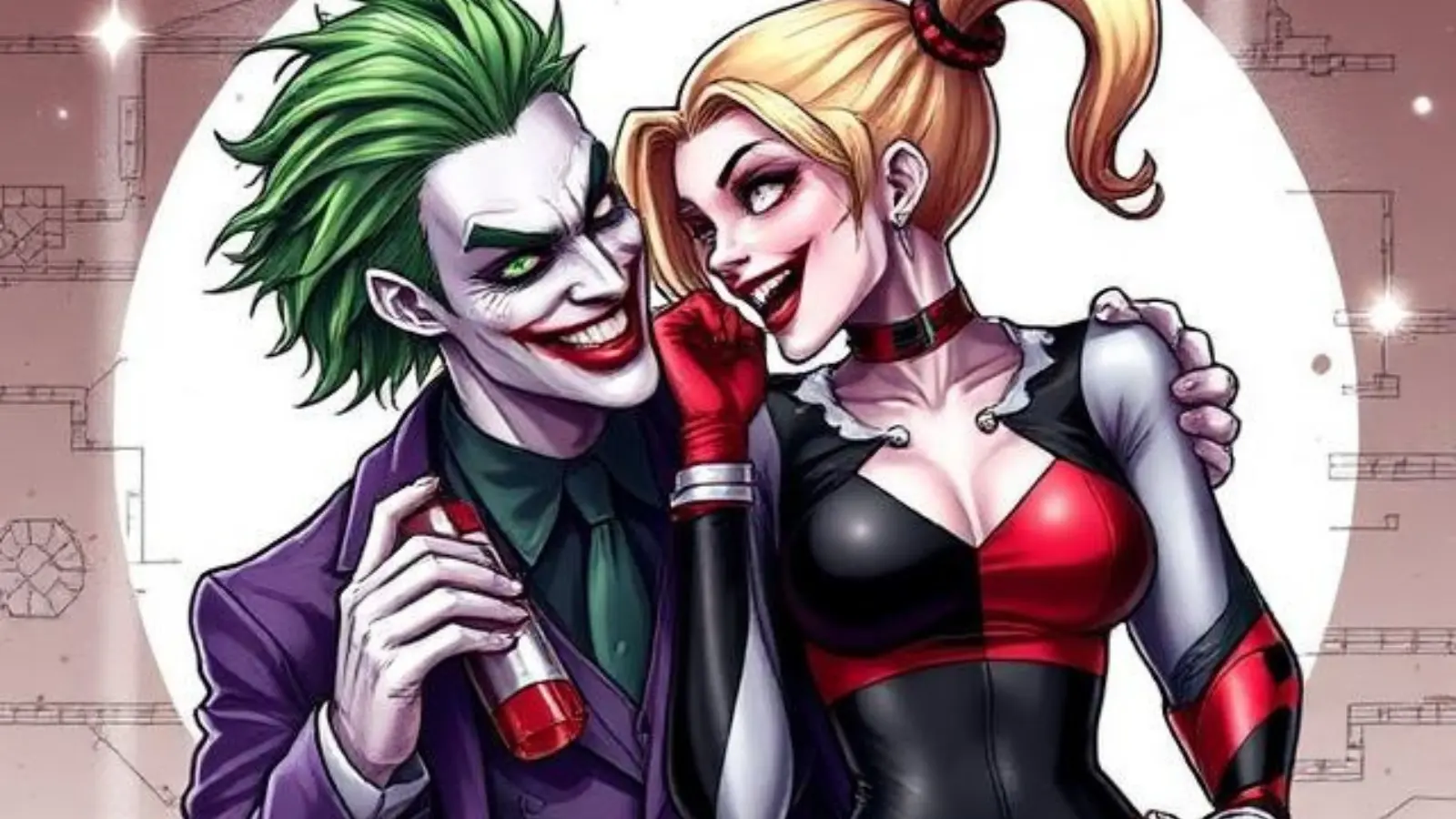
From the flicker of neon lights in Gotham’s alleyways to the chaos echoing through abandoned amusement parks, the story of Joker and Harley Quinn is not just a tale of love—it’s a psychological labyrinth of obsession, thrill, and emotional extremes.
Their connection is a cocktail of danger, desire, and unpredictability, pulling us into a whirlwind that’s as intoxicating as it is destructive.
Whether you’re a die-hard fan of DC Comics, fascinated by complex character dynamics, or curious about the psychology behind toxic yet magnetic relationships, understanding this infamous duo offers insight into human emotions, attachment, and the allure of rebellion.
Let’s explore the multifaceted world of Joker and Harley Quinn, from their origins and chemistry to the cultural impact they’ve created, all while unpacking the emotional, psychological, and behavioral threads that make them endlessly captivating.
1. Joker and Harley Quinn: Origins of Chaos and Romance
-
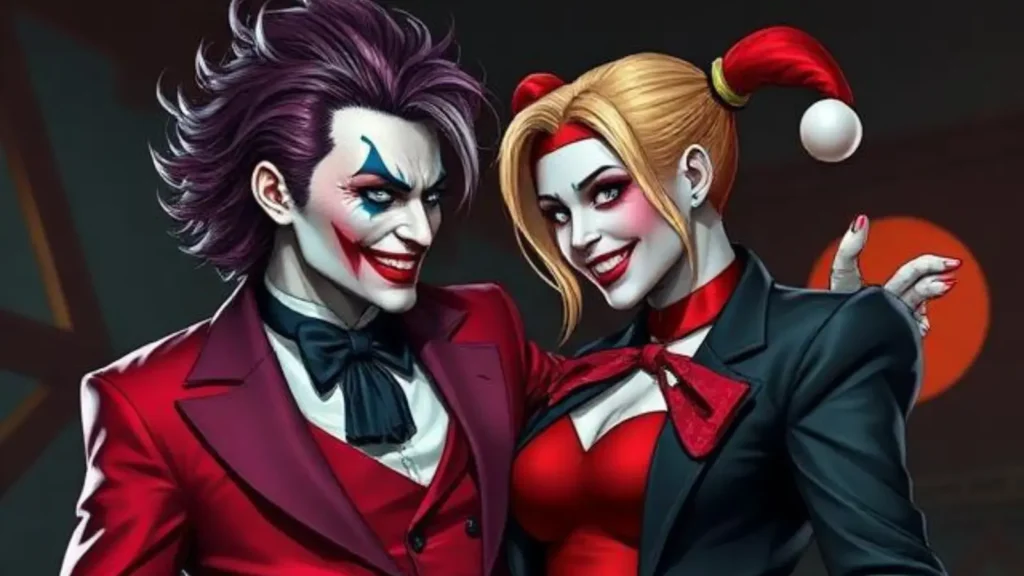
🎭 Harley Quinn was originally Dr. Harleen Quinzel, a psychiatrist whose fascination with the Joker’s mind blurred professional boundaries.
-
🃏 The Joker’s unpredictability creates a magnetic pull for Harley, highlighting the allure of danger in attraction psychology.
-
💔 Their “love story” begins in Arkham Asylum, illustrating how proximity and intense experiences can trigger emotional bonding.
-
🌀 Harley’s transformation from clinician to partner-in-crime demonstrates identity dissolution in extreme relationships.
-
🌪️ The chaos they create together mirrors the psychological concept of emotional contagion—feelings amplifying across individuals.
-
🔥 Their initial interactions are fueled by adrenaline and novelty, key drivers in intense attachment formation.
-
🎢 The Joker’s manipulative tactics reflect dark triad traits—narcissism, Machiavellianism, and psychopathy.
-
💋 Harley’s devotion reveals the power of trauma bonding, where emotional highs mask destructive patterns.
-
🧩 Their dynamic highlights codependency, where each partner’s sense of self becomes intertwined with chaos.
-
🎇 The story’s dramatic flair adds mythic resonance, tapping into archetypal narratives of lovers in extreme circumstances.
-
🧠 Harley’s psychological expertise ironically becomes a tool for vulnerability rather than defense.
-
🌌 Gotham itself acts as a psychological landscape, amplifying their emotional and moral extremes.
-
💫 Their early storylines set a template for future iterations in comics, film, and pop culture.
-
🎬 The visual aesthetics of their costumes and settings create immediate recognition and symbolic resonance.
2. Joker and Harley Quinn Chemistry: The Science of Dark Attraction
-
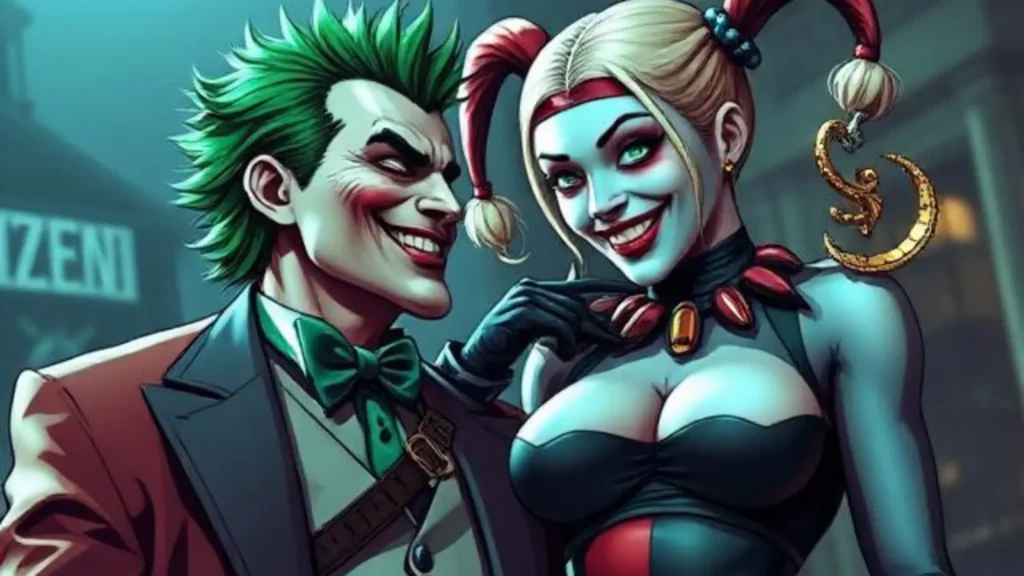
⚡ Their chemistry is rooted in unpredictability and risk, activating the brain’s reward system.
-
🧪 Neurotransmitters like dopamine and adrenaline spike during their interactions, explaining the “rush” of chaos.
-
💘 Harley’s admiration of Joker’s intellect mirrors attraction to dominant or enigmatic personalities.
-
🌫️ Emotional volatility creates intermittent reinforcement, making attachment stronger over time.
-
🔗 Their bond thrives on extreme highs and lows, creating a rollercoaster effect of emotions.
-
🎭 They exemplify “frenemy love,” where antagonism and affection coexist.
-
💣 Shared transgression fosters intimacy, as breaking rules together strengthens psychological closeness.
-
🧩 Harley’s empathetic tendencies are exploited by Joker’s manipulative brilliance.
-
🌪️ Chaos becomes a form of emotional language unique to their relationship.
-
🕹️ Gamification of conflict enhances engagement and attachment between the pair.
-
🖤 The balance of fear and fascination sustains emotional intensity.
-
🎨 Their visual representation reinforces the chemistry narrative: vibrant colors, stark contrasts, and iconic symbolism.
-
🧠 Understanding their dynamics offers insight into why some toxic relationships feel irresistible.
-
💔 Fans’ fascination often mirrors this dark allure, highlighting the human attraction to intensity.
3. Joker and Harley Quinn in Popular Culture
-
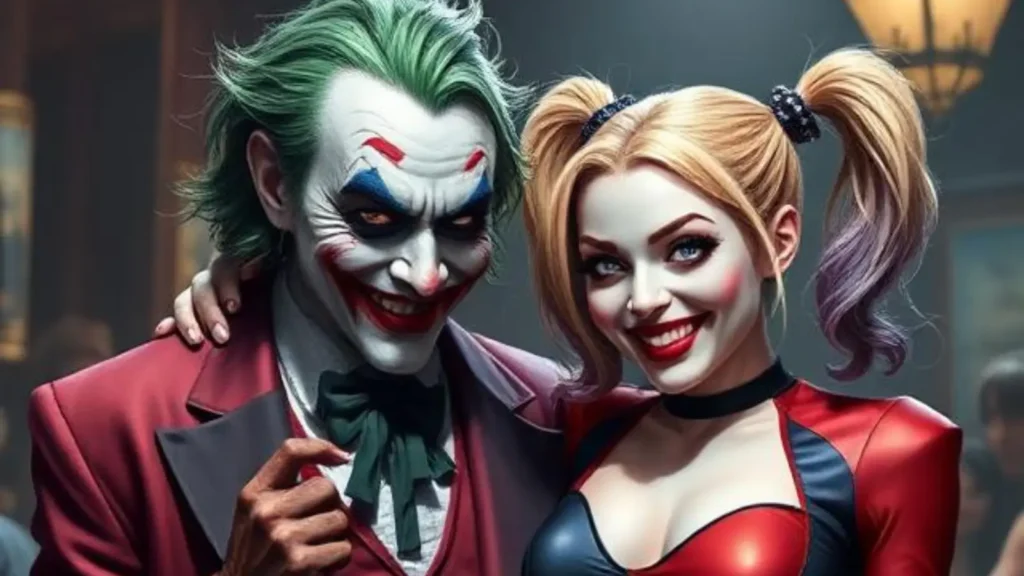
🎬 Appearances in films like Suicide Squad cemented their cinematic legacy.
-
📚 Comics from Batman: The Animated Series to Injustice explore evolving facets of their bond.
-
🎨 Fan art and cosplay express collective fascination and emotional engagement.
-
🖥️ Memes and social media fuel modern reinterpretations of their relationship.
-
💿 Soundtracks and themed music evoke the chaotic romance they embody.
-
📖 Graphic novels often explore Harley’s internal struggle between love and self-preservation.
-
🕹️ Video games allow interactive exploration of their partnership and conflicts.
-
🌟 They represent antihero allure—morally complex characters who attract empathy.
-
🏙️ Gotham as a setting becomes a character itself, shaping narrative tension.
-
🖌️ Stylized illustrations amplify the psychological impact of their stories.
-
🎭 Stage adaptations and live-action renditions deepen emotional resonance.
-
🌐 Global fandoms create communities invested in their romance and chaos.
-
🧩 Symbolic merchandise reinforces thematic elements like masks, hearts, and clown motifs.
-
💬 Quotes and dialogue are frequently cited for psychological depth and dark romance.
4. Joker and Harley Quinn and Trauma Bonding Psychology
-
🩸 Harley’s loyalty exemplifies trauma bonding patterns in extreme relationships.
-
💔 Abusive cycles are masked by intense emotional highs, creating psychological hooks.
-
🧠 Manipulation leverages Harley’s empathy and professional vulnerability.
-
⚡ High-intensity conflict strengthens attachment despite harm.
-
🌪️ Chaos becomes a shared language of survival and connection.
-
💬 Joker’s unpredictability creates intermittent reinforcement, intensifying emotional dependency.
-
🎭 Harley’s transformation is emblematic of identity shifts under trauma bonding.
-
🧩 Fans relate due to universal experiences of attachment to challenging personalities.
-
🔥 Understanding these patterns helps decode toxic but compelling relationships.
-
🌌 Emotional extremes redefine love and risk boundaries in her psyche.
-
🖤 Their bond illustrates why attraction sometimes overrides rational judgment.
-
🕳️ Intense experiences deepen neural pathways associated with attachment.
-
💋 Romanticization in media complicates public perception of trauma bonding.
-
🎢 Awareness of these dynamics fosters both fascination and caution in audiences.
5. Joker and Harley Quinn Symbolism and Archetypes
-
🎭 Joker represents chaos, rebellion, and antihero intelligence.
-
💕 Harley symbolizes devotion, transformation, and the allure of danger.
-
🌀 Their pairing embodies the “trickster and devotee” archetype.
-
🌑 Darkness contrasts with Harley’s vibrant energy, creating visual and emotional tension.
-
🃏 Playing cards symbolize fate, chance, and unpredictability.
-
🌟 Their love is a metaphor for obsession and addictive attraction.
-
🔥 Fire imagery often illustrates destructive passion.
-
🖤 Clown motifs underscore irony, performance, and hidden truths.
-
💔 Masks reflect emotional concealment and duality.
-
🌪️ Their narrative mirrors mythological lovers facing trials and chaos.
-
🎨 Color symbolism—purple, red, black—communicates personality traits and emotional states.
-
💫 Archetypes resonate cross-culturally, reinforcing universal psychological themes.
-
🕹️ The interplay of power and submission highlights dynamics of control and surrender.
-
🎬 Symbolic storytelling deepens emotional investment for audiences.
6. Joker and Harley Quinn Fashion, Aesthetics, and Identity
-
👗 Harley’s red and black attire reflects duality and playfulness.
-
🎩 Joker’s purple suit signals power, charisma, and theatricality.
-
💄 Makeup and masks serve as emotional armor and identity signaling.
-
🧩 Costume evolution mirrors psychological transformation.
-
🌪️ Fashion communicates allegiance, personality, and mood.
-
🖌️ Artistic styling creates instantly recognizable brand identity.
-
🔮 Accessories, like Joker’s cane or Harley’s mallet, symbolize power and chaos.
-
🎭 Visual contrast enhances storytelling through aesthetics.
-
🖤 Clothing choices reinforce themes of love, danger, and rebellion.
-
💫 Fan adoption of fashion amplifies cultural influence and engagement.
-
🎨 Makeup design often conveys emotional state or intent.
-
🌟 Color psychology affects audience perception and attachment.
-
🕹️ Cosplay embodies immersive engagement with characters.
-
💋 Styling is a nonverbal language communicating narrative identity.
7. Joker and Harley Quinn in Mental Health Discourse
-
🧠 Their story sparks discussions on attachment disorders.
-
💔 Trauma bonding and codependency are highlighted through their dynamic.
-
🌪️ Psychopathy traits of Joker raise awareness of personality disorders.
-
🎭 Harley’s transformation invites conversation about identity loss.
-
🔗 Fans analyze relational dynamics to understand unhealthy patterns.
-
💡 Media portrayals influence public perception of psychological concepts.
-
🕊️ Discussions of emotional abuse are catalyzed by their interactions.
-
🧩 Symbolic storytelling mirrors real-world mental health struggles.
-
⚡ Their intensity reflects heightened emotional experiences in trauma.
-
🌟 Therapy narratives emerge through Harley’s journey.
-
🖤 Exploration of narcissism and obsession educates audiences.
-
🎬 Visual storytelling allows empathetic engagement with psychological themes.
-
🌀 Understanding their dynamics aids in differentiating fiction from reality.
-
💬 Fans discuss and critique media depictions for psychological accuracy.
8. Joker and Harley Quinn and Modern Feminist Interpretations
-
💪 Harley’s agency evolves as she asserts independence from Joker.
-
🌸 Feminist readings explore autonomy, self-expression, and empowerment.
-
🎭 Costume and persona subvert traditional female archetypes.
-
🧩 Her narrative reflects reclaiming identity after abusive attachment.
-
🔥 Pop culture analyses highlight resistance against toxic masculinity.
-
💖 Harley embodies complexity beyond a “sidekick” trope.
-
🌪️ Duality of love and rebellion challenges gender expectations.
-
🎬 Films emphasize her journey as a hero in her own right.
-
💬 Dialogue and character arcs reveal emotional intelligence.
-
🖤 Her evolution inspires discussions on self-worth and boundaries.
-
🌟 Fan communities celebrate multifaceted femininity.
-
🧠 Narrative arcs encourage reflection on consent and agency.
-
🎨 Art and media reinterpretations offer feminist subtexts.
-
💋 Empowered independence enhances cultural resonance.
9. Joker and Harley Quinn in Relationship Dynamics
-
🔗 Their bond illustrates extreme codependency.
-
🌪️ High-intensity experiences amplify emotional attachment.
-
🎭 Conflict acts as a form of interaction and communication.
-
💘 Intermittent reinforcement sustains engagement and loyalty.
-
🖤 Power imbalance drives behavioral cycles.
-
💔 Emotional highs overshadow destructive patterns.
-
🧩 Shared secrets and transgressions create intimacy.
-
⚡ Thrill-seeking behavior strengthens relational excitement.
-
🌟 Psychological projection affects mutual perception.
-
🎬 Storytelling highlights relational complexity.
-
💋 Fans relate to universal emotions of obsession and desire.
-
🕹️ Game-like dynamics create unpredictability and engagement.
-
💡 Reflecting on their relationship teaches awareness of attachment patterns.
-
🌌 Their narrative exemplifies the fine line between love and chaos.
10. Joker and Harley Quinn and Emotional Intelligence
-
🧠 Harley demonstrates emotional sensitivity, albeit manipulated.
-
🎭 Joker exploits gaps in empathy for personal gain.
-
💘 The duo illustrates extremes of emotional awareness and control.
-
🌪️ Fans analyze subtle cues and behavioral patterns for meaning.
-
🔗 Emotional volatility serves as relational signaling.
-
💡 Understanding triggers enhances comprehension of complex bonds.
-
🖤 Recognition of manipulation is key to decoding interactions.
-
🎬 Narrative arcs model consequences of low emotional intelligence.
-
💋 Harley’s resilience develops through self-discovery.
-
🌟 Audience empathy is cultivated through emotionally rich storytelling.
-
🧩 Emotional extremes educate on intensity versus stability.
-
🎨 Visual cues communicate nuanced feelings.
-
💫 Emotional intelligence is reframed through fiction for reflection.
-
⚡ Their story inspires discussions about healthy boundaries and self-awareness.
11. Joker and Harley Quinn in Storytelling and Narrative Impact
-
🎬 Cinematic techniques enhance tension and engagement.
-
📖 Comic arcs explore psychological depth and moral ambiguity.
-
🧩 Nonlinear storytelling reflects chaotic personalities.
-
🌌 Gotham as a narrative device shapes plot and tone.
-
🎭 Humor and tragedy coexist, creating emotional contrast.
-
💔 Themes of obsession and devotion are central to resonance.
-
🔥 Action sequences parallel emotional conflict.
-
🖤 Dialogue conveys subtext and hidden intentions.
-
🌟 Narrative stakes elevate audience investment.
-
🎨 Visual metaphors communicate emotion beyond words.
-
🕹️ Interactive media allows personal engagement with plot decisions.
-
💡 Archetypal storytelling reinforces universal relatability.
-
💘 Love, danger, and identity intertwine in plot evolution.
-
⚡ Their story serves as a template for antihero romances.
12. Joker and Harley Quinn and Fan Psychology
-
🌟 Fandom creates emotional investment and community bonding.
-
🎨 Fan art expresses personal interpretation and emotional engagement.
-
🧩 Memes allow playful exploration of their dynamics.
-
💌 Fanfiction provides experimental storytelling and empowerment.
-
🎭 Cosplay facilitates immersive experience and identity exploration.
-
🔗 Community discussions decode psychological and relational patterns.
-
💋 Merchandise fosters tangible connection and self-expression.
-
🖤 Emotional identification mirrors personal attachment styles.
-
🌪️ Fans navigate moral complexity in their admiration.
-
💡 Psychological analysis of characters enhances engagement.
-
🎬 Media adaptations expand interpretive layers.
-
🕹️ Gaming experiences deepen interactive participation.
-
💘 Shared enthusiasm strengthens social identity.
-
⚡ Fan psychology illustrates the intersection of fiction, emotion, and identity.
13. Joker and Harley Quinn and Cross-Media Evolution
-
📺 Animated series first introduced depth and relatability.
-
🎬 Live-action films amplified visual storytelling and emotional intensity.
-
📚 Comics continue to explore evolving personalities and arcs.
-
🎨 Art, cosplay, and digital media expand narrative reach.
-
🕹️ Video games allow experiential engagement with their psychology.
-
💻 Social media fuels fan interpretation and trend cycles.
-
💫 Cross-media adaptation maintains iconic symbolism while refreshing narrative.
-
🖤 The duo’s story evolves to match cultural context and audience values.
-
🌟 Merchandise reflects cross-platform branding and identity.
-
🔥 Plot reinterpretations explore themes of empowerment and obsession.
-
🎭 Theatrical adaptations emphasize emotional resonance.
-
🧩 Media diversity strengthens audience attachment and participation.
-
💌 Fan contributions become part of the evolving narrative ecosystem.
-
⚡ Cross-media storytelling ensures longevity of cultural impact.
14. Joker and Harley Quinn: Lessons in Love, Chaos, and Identity
-
💔 Understanding trauma bonding illuminates the allure of intensity.
-
🌪️ Chaos and thrill can mask destructive relational patterns.
-
🧠 Emotional intelligence is critical for navigating extreme attachments.
-
🎭 Identity shifts occur when love becomes obsession.
-
🔗 Attachment patterns reveal why some relationships feel “irresistible.”
-
💘 Emotional highs do not equate to healthy bonds.
-
🌟 Harley’s eventual independence illustrates empowerment after attachment.
-
🖤 Recognizing manipulation fosters personal boundaries.
-
🌀 Fascination with danger is a universal psychological theme.
-
🎬 Storytelling allows safe exploration of relational extremes.
-
💡 Self-reflection on fandom experiences enhances personal insight.
-
🎨 Symbolism and aesthetics convey deeper emotional and psychological truths.
-
💋 Love and chaos coexist, but awareness and growth prevent harm.
-
⚡ Ultimately, Joker and Harley Quinn serve as both cautionary tale and emblem of passion’s intensity.
FAQ: Joker and Harley Quinn
Q1: How did Harley Quinn first meet the Joker?
Harley Quinn originally encountered the Joker as Dr. Harleen Quinzel, a psychiatrist at Arkham Asylum. She became fascinated by his mind and began forming an emotional attachment, ultimately leading to her transformation into Harley Quinn. This initial bond demonstrates the psychological phenomenon of attraction to enigmatic personalities and the role of trauma bonding in intense relationships.
Q2: Why is the relationship between Joker and Harley Quinn considered toxic?
Their relationship exhibits manipulation, emotional volatility, and codependency. Joker exploits Harley’s empathy while creating intermittent reinforcement through chaos and thrill. This cycle mirrors real-life patterns of trauma bonding, where highs mask harmful behaviors, making the dynamic compelling yet destructive.
Q3: What makes Joker and Harley Quinn so captivating to audiences?
The allure comes from a combination of unpredictability, high emotional intensity, and the juxtaposition of chaos with devotion. Their story also taps into archetypal narratives of lovers against all odds, thrill-seeking behavior, and darkly romantic aesthetics that evoke empathy and fascination.
Q4: How does Harley Quinn’s character evolve over time?
Harley transitions from a devoted partner to an independent, empowered figure. Media portrayals highlight her growth in emotional intelligence, self-awareness, and boundary setting, reflecting broader feminist interpretations of reclaiming identity after abusive attachment.
Q5: How do comics and films portray their relationship differently?
Comics often explore psychological depth and moral ambiguity over extended arcs, while films emphasize visual storytelling, drama, and immediate emotional impact. Both mediums highlight chaos, thrill, and the intense emotional bond that defines their connection.
Q6: Are there psychological lessons to learn from their story?
Yes
yes
Q6: Are there psychological lessons to learn from their story?
Absolutely. Joker and Harley Quinn offer a vivid case study in attachment patterns, trauma bonding, and the allure of high-intensity relationships. Their story teaches us about the dangers of emotional dependency, the effects of manipulation, and the importance of recognizing unhealthy relational dynamics. It also highlights how thrill, novelty, and intermittent reinforcement can strengthen bonds, even when destructive, providing insight into both fictional and real-world emotional behaviors.
Q7: How does their story influence fan behavior and culture?
Their chaotic romance inspires intense fan engagement through art, cosplay, fanfiction, and online communities. Fans are drawn to the emotional extremes, aesthetic symbolism, and psychological complexity of the pair, often exploring their own fantasies of love, rebellion, and empowerment. This engagement deepens emotional investment while promoting cross-media cultural influence.
Q8: Can Joker and Harley Quinn be seen as antiheroes?
Yes. While their actions are morally ambiguous and often criminal, they embody traits of antiheroes—charismatic, complex, and psychologically compelling. Their story challenges traditional notions of right and wrong, inviting audiences to empathize with characters who exist in moral gray zones, making them relatable yet cautionary figures.
Q9: What role does Gotham play in shaping their relationship?
Gotham is more than a backdrop; it’s a psychological amplifier. The city’s dark alleys, corruption, and chaos mirror the intensity of their emotions and actions. It serves as a stage for their rebellion, risk-taking, and identity transformations, reinforcing the thrill and danger that define their bond.
Q10: How does their relationship reflect real-world attachment styles?
The Joker and Harley Quinn exemplify anxious-preoccupied and disorganized attachment dynamics. Harley’s intense devotion and the Joker’s manipulative unpredictability mirror real-life patterns where emotional highs, fear, and unpredictability create strong yet unstable bonds, helping audiences understand complex relational psychology.
Q11: Why is Harley Quinn considered a symbol of empowerment despite her toxic relationship?
Harley’s journey from obsession to independence showcases resilience, self-discovery, and agency. Her narrative reflects personal growth after trauma, inspiring audiences to reclaim identity, assert boundaries, and find empowerment even after emotionally destructive experiences.
Q12: How does their story blend romance, chaos, and psychological depth?
Their relationship intertwines passion, risk, and emotional complexity, blending romance with chaos. Psychological elements like manipulation, trauma bonding, and emotional intensity enrich the narrative, creating a story that is thrilling, emotionally resonant, and intellectually engaging—inviting audiences to explore love, obsession, and identity.
Conclusion
The saga of Joker and Harley Quinn is a mesmerizing tapestry of love, chaos, and psychological intrigue. Their story challenges our understanding of attraction, emotional intensity, and personal boundaries, offering both cautionary lessons and enthralling drama.
From the neon-lit streets of Gotham to the depths of the human psyche, their bond reminds us that love can be both intoxicating and destructive, thrilling yet transformative.
In embracing their narrative, we explore not only the dark corners of fictional romance but also the vivid, complex, and emotional landscapes of our own hearts.

Ben Banter creates smart and funny joke articles with a playful touch.