
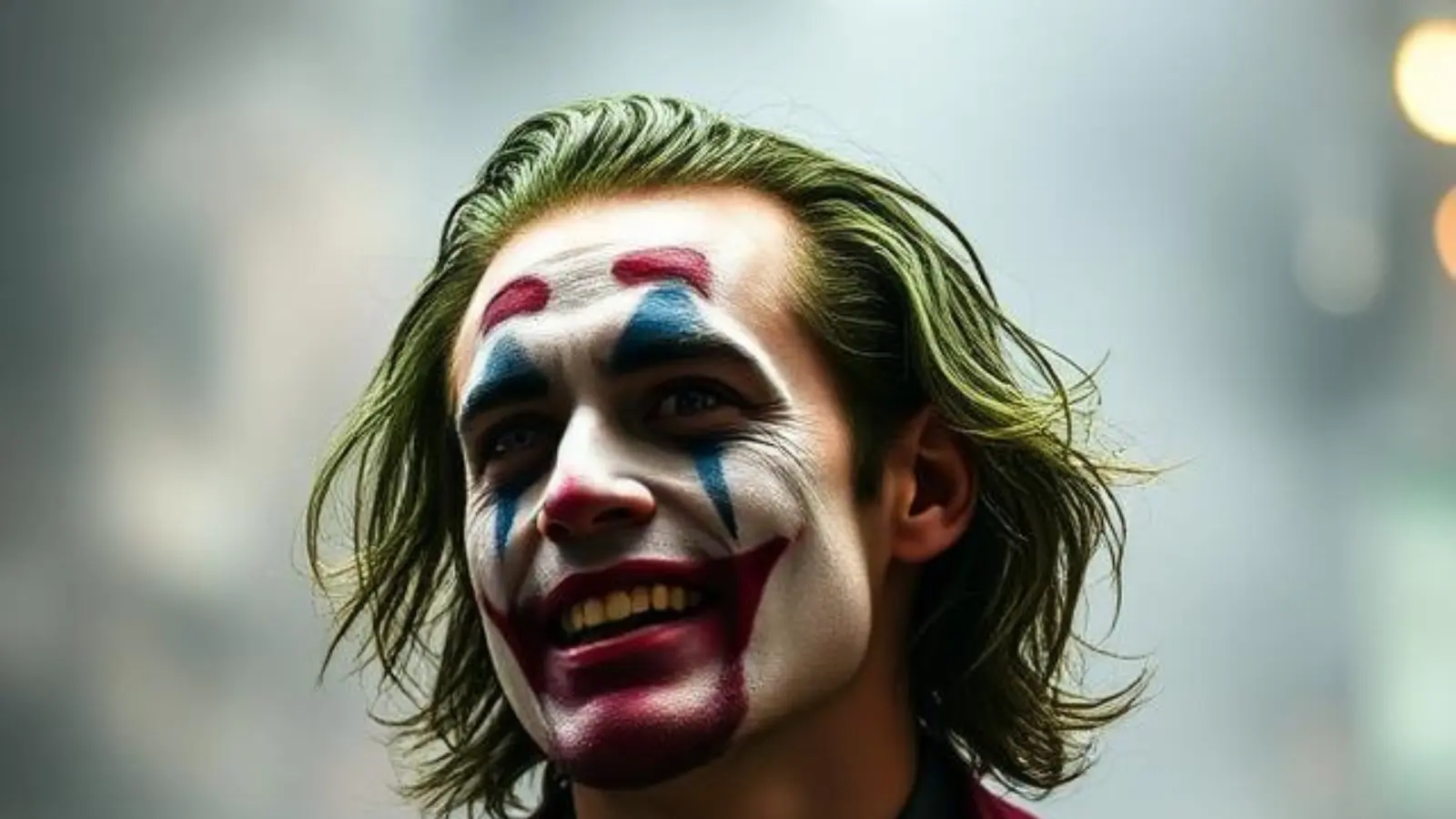
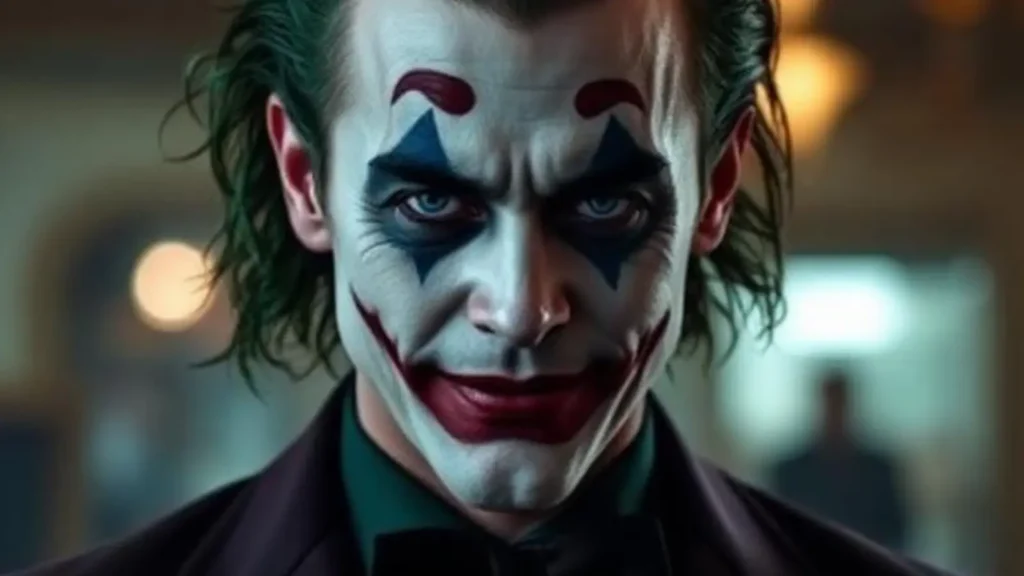
From the first moment Jared Leto stepped into the world of Gotham’s chaos, the whispers began: how would he redefine the Joker? His portrayal wasn’t just acting—it was a plunge into psychological labyrinths, emotional extremes, and the delicate dance between charm and menace.
To truly understand Jared Leto about Joker is to dive into a narrative that blends artistry, obsession, and human complexity.
Whether you’re a die-hard comic fan, a cinephile, or simply curious about the man behind the painted smile, this journey reveals how Leto reshaped the psychology of one of cinema’s most enigmatic villains.
1. Jared Leto About Joker: Transforming Into Chaos
-
🎭 Leto reportedly isolated himself for weeks, mimicking Joker’s unpredictable behavior in real life.
-
🌀 He studied historical psychopaths, absorbing their body language, speech patterns, and subtle social cues.
-
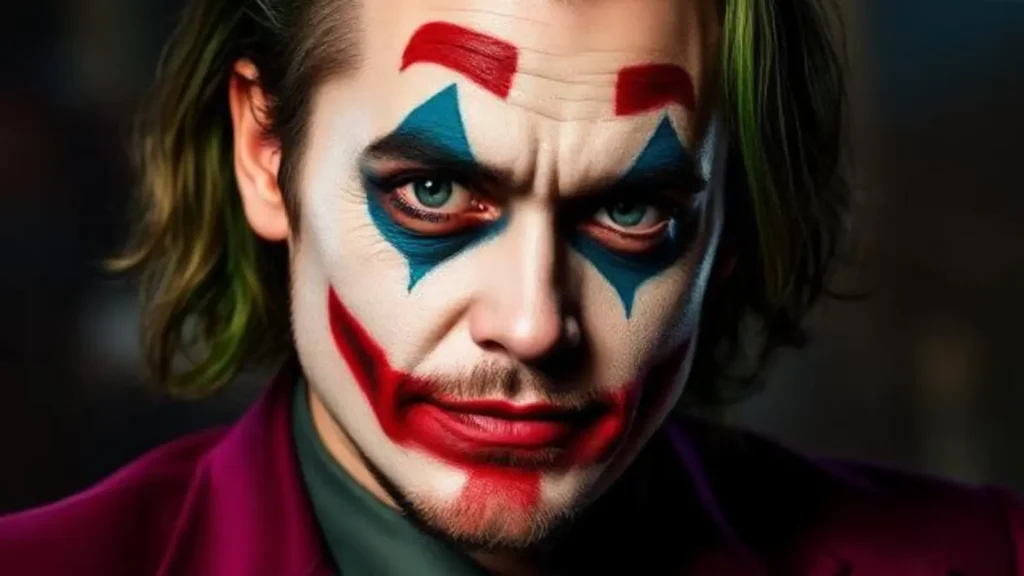
💄 Makeup wasn’t just cosmetic—it was ritualistic, helping Leto embody Joker’s fractured psyche.
-
🖤 Tattoos and wardrobe choices became extensions of character psychology, revealing obsessive attention to detail.
-
📖 He explored comic canon deeply, connecting past Joker portrayals to create something uniquely unsettling.
-
🔊 Voice modulation was central—whispered threats, manic laughter, and tonal play conveyed menace organically.
-
💡 Improvisation played a huge role; Leto often ad-libbed lines to keep fellow actors on edge.
-
🤯 Method acting blurred lines between character and self, sparking both fascination and controversy.
-
👁 Leto’s eye contact conveyed the Joker’s psychological dominance in every scene.
-
🔮 He analyzed audience expectations to subvert typical villain tropes emotionally and intellectually.
-
🎶 Music inspired mood shifts; Leto reportedly listened to chaotic, dissonant playlists to channel unpredictability.
-
✍️ Journaling allowed him to map Joker’s inner monologues, integrating literary depth into physicality.
-
🕰 Patience in pacing scenes emphasized Joker’s menacing calm, making sudden violence more shocking.
-
🌑 Leto treated Joker as both an actor’s puzzle and a psychological experiment.
2. Jared Leto About Joker: The Psychology Behind the Smile
-
🧠 Leto explored psychopathy, narcissism, and borderline tendencies to craft authentic villainous charisma.
-
🎯 He studied manipulation tactics to make Joker both magnetic and terrifying.
-
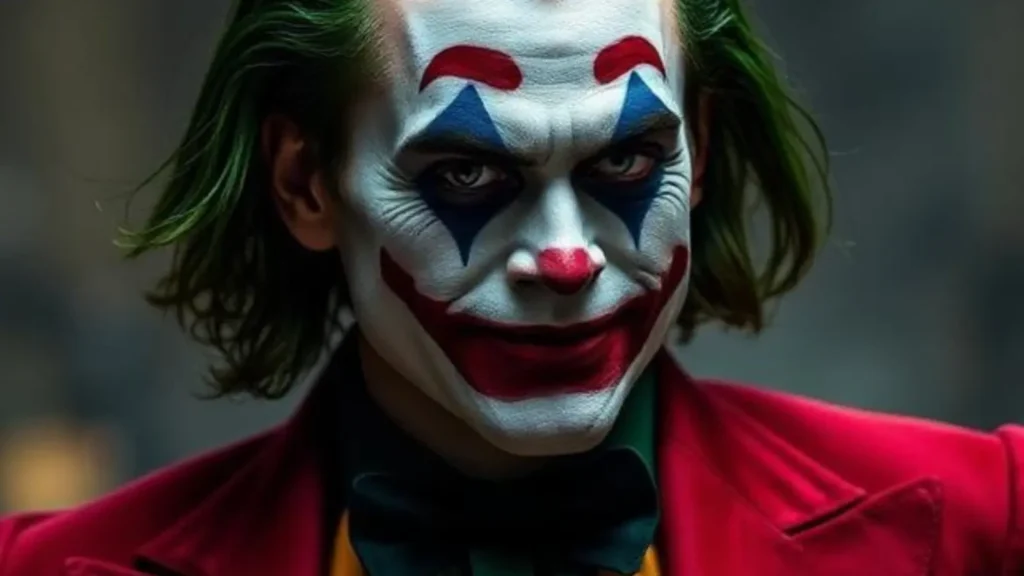
😈 The smile became a symbol of chaos—a visual and psychological weapon.
-
💭 Internal monologues guided his gestures, creating subtle cues to Joker’s unstable mind.
-
🖤 Leto used silence strategically, letting tension simmer before explosive moments.
-
👁 Pupil dilation and microexpressions were consciously used to convey intensity.
-
🕷 He connected Joker’s chaos with societal alienation themes for deeper relatability.
-
🧩 Layered emotions made Joker unpredictable, balancing charm, cruelty, and dark humor.
-
🌪 Sudden shifts in tone mirrored emotional dysregulation in real-life psychopaths.
-
🔗 Leto researched criminal psychology to keep gestures authentic, not caricatured.
-
🩸 Body language conveyed dominance, fear, and playfulness simultaneously.
-
🎭 He experimented with laugh variations—manic, soft, sarcastic—to enrich character complexity.
-
💥 Anticipation of violence was a tool; it made each action emotionally charged.
-
🖤 Understanding Joker’s trauma helped Leto humanize, not glorify, his madness.
3. Jared Leto About Joker: Immersive Method Techniques
-
🏚 Leto reportedly stayed in character between shoots, sending cryptic messages to co-stars.
-
📦 He left props like used cigarettes and lipstick notes on set as Joker signatures.
-
🔮 Meditation and visualization exercises helped him access Joker’s impulsive psyche.
-
📝 Script annotation included emotional triggers for each line, not just dialogue cues.
-
🎬 Leto studied Heath Ledger and Jack Nicholson to understand legacy pressures.
-
🌒 Isolation enhanced immersion, echoing Joker’s alienation in Gotham’s world.
-
🔊 He practiced vocal unpredictability daily, from whispers to maniacal screeches.
-
🖤 Embodying menace involved watching real criminal footage to internalize realism.
-
🤹♂️ Improvised on-set antics tested co-star reactions, adding authenticity to interactions.
-
💡 Costuming rehearsals became psychological exercises in identity adoption.
-
🕰 Extended takes were used to explore Joker’s emotional subtleties organically.
-
🌀 Mood swings were scheduled intentionally to mimic chaotic energy.
-
🎨 Art therapy influenced makeup and visual cues of instability.
-
🌟 Leto treated the role as a living performance art piece, not just a film character.
4. Jared Leto About Joker: The Role of Legacy Pressure
-
🏆 Comparing himself to Ledger and Nicholson added both inspiration and anxiety.
-
📚 Leto read biographies of actors who played iconic villains to avoid repetition.
-
🎭 He created a Joker that felt unpredictable yet familiar, a balance of homage and innovation.
-
🔍 Every scene was deconstructed to ensure originality in physical and emotional beats.
-
💡 He considered fan expectations while resisting formulaic performances.
-
🌪 The legacy factor fueled obsessive preparation and attention to subtle details.
-
🖤 Costume and tattoo choices were carefully curated to differentiate his Joker visually.
-
🗣 Dialogue delivery was tweaked to evoke a new emotional response from audiences.
-
🎬 Leto collaborated with directors to maintain fresh, unsettling energy on screen.
-
🤯 Social media reactions and rumors were filtered to prevent external influence on performance.
-
✍️ Journaling about predecessors’ performances helped him identify gaps to innovate.
-
🌌 Legacy awareness heightened psychological realism, not ego-driven mimicry.
-
🕶 Leto adopted eccentric, memorable mannerisms to imprint his Joker identity.
-
🧩 Overall, legacy became a creative catalyst, not a limitation.
5. Jared Leto About Joker: Costume and Iconography Insights
-
🖤 Tattoos were narrative tools, each symbol hinting at Joker’s psyche.
-
💄 Lipstick and scars were subtle, intentional psychological triggers for audiences.
-
🎩 Accessories reflected Joker’s chaotic refinement and performative cruelty.
-
🌈 Color contrasts were analyzed to evoke dissonance and unease visually.
-
👞 Shoes, gloves, and subtle fabrics carried personality traits, not just aesthetics.
-
🎭 Makeup tutorials were part of Leto’s preparation, exploring texture and effect.
-
🖌 Leto co-designed looks to align with inner emotional narrative.
-
🕸 Costume changes mirrored mood shifts and psychological instability.
-
🔮 Visual storytelling through props reinforced Joker’s chaotic intelligence.
-
🖤 Tattoos and piercings sparked discussion about modernizing comic iconography.
-
🎬 Lighting and angles were synchronized with wardrobe for maximal impact.
-
🌪 Fashion choices influenced movement, posture, and presence organically.
-
✨ Costume became a living extension of Leto’s method performance.
-
🧩 Overall, visual identity was integral to semantic storytelling of chaos.
6. Jared Leto About Joker: Interaction With Fellow Actors
-
🤝 Leto used tension intentionally to elicit authentic reactions from co-stars.
-
🎭 He improvised unpredictable dialogue to maintain Joker’s unpredictability.
-
🖤 Sending props or letters off-set created immersive role continuity.
-
💡 He respected co-star boundaries while testing emotional range subtly.
-
🎬 Actors reported heightened realism due to Leto’s full immersion.
-
🌀 Dynamic interplay revealed Joker’s manipulative charm in real-time.
-
😈 Leto observed psychological responses to guide improvisation.
-
✍️ He created “in-character” backstories for each interaction.
-
🎭 Stage blocking included subtle cues of threat and seduction.
-
🖤 Controlled chaos in rehearsals mirrored film’s narrative tension.
-
🌪 Emotional unpredictability kept every take fresh and engaging.
-
🔮 Leto’s intense commitment encouraged co-stars to elevate performances.
-
💥 Microexpressions and eye contact were tools to influence scene energy.
-
🎶 Collaborative improvisation enhanced Joker’s multi-layered persona.
7. Jared Leto About Joker: Emotional and Psychological Risks
-
⚠️ Deep method acting risked mental strain and emotional exhaustion.
-
🖤 Isolation could blur character and self-boundaries dangerously.
-
🌪 Intense immersion required careful mental decompression routines.
-
🧠 Leto likely employed psychological coping mechanisms off-set.
-
💭 Journaling and reflection prevented complete loss of self-identity.
-
🎭 Emotional extremes strengthened performance but increased vulnerability.
-
🔍 Monitoring mental health was crucial during the intense character work.
-
✨ Vulnerability allowed authentic emotional resonance on screen.
-
🌀 Leto’s risk-taking contributed to the role’s iconic unpredictability.
-
💡 Psychological investment reinforced subtle character nuances.
-
😈 Emotional stakes heightened audience engagement subconsciously.
-
🖤 Risk and creativity intertwined to produce memorable villainy.
-
🎬 Mindful breaks and support systems balanced method intensity.
-
🧩 Overall, Leto’s risks amplified both realism and mythic allure.
8. Jared Leto About Joker: Preparing for Critical and Fan Reactions
-
🌟 Leto anticipated scrutiny from comic fans and critics alike.
-
🖤 He avoided preconceptions by focusing on internal character logic.
-
💭 Social media sentiment was considered but not allowed to dictate portrayal.
-
🎬 Screen tests and private showings refined audience impact.
-
🔮 Emotional resonance was prioritized over traditional fan service.
-
🧩 Leto subtly incorporated Easter eggs for fans without compromising originality.
-
💡 Controlled ambiguity sparked intrigue and discussion online.
-
🎭 He balanced homage with innovation to satisfy long-time Joker enthusiasts.
-
🌪 Experimental choices generated viral buzz pre-release.
-
🖤 Costume, gestures, and dialogue were optimized for memorability.
-
📚 Comic lore references enhanced authenticity for attentive audiences.
-
🎶 Sound, rhythm, and cadence amplified character presence dramatically.
-
🌀 Leto aimed to create moments that lingered in cultural consciousness.
-
✨ Audience psychology guided subtle nuances for emotional payoff.
9. Jared Leto About Joker: Behind the Scenes Anecdotes
-
📦 Leto reportedly gifted co-stars eccentric items to stay in character.
-
🎬 Some improvised scenes were filmed without prior approval for authenticity.
-
🖤 Method-driven pranks and notes kept the set unpredictably alive.
-
✍️ Costume fittings became creative brainstorming sessions.
-
🎭 Leto’s research materials lined his trailer for constant immersion.
-
🌪 Directors encouraged selective chaos to capture genuine reactions.
-
💡 Music playlists influenced scene mood spontaneously.
-
🌀 Makeup sessions were part of character meditation rituals.
-
🔮 Leto’s social media hints created playful tension pre-release.
-
🖤 Co-stars shared stories of heightened energy and suspense during filming.
-
🎬 Improvisational takes often became canonical scenes in final edit.
-
✨ Visual cues like tattoos and scars evolved organically on set.
-
🧩 Minor props became symbolic story devices beyond narrative function.
-
🎶 Ambient noise and sound experimentation amplified emotional authenticity.
10. Jared Leto About Joker: Redefining Villain Charisma
-
😈 Leto blended seductive charm with visceral threat seamlessly.
-
🎭 Emotional layering made Joker relatable while terrifying.
-
💡 Microexpressions conveyed intelligence, playfulness, and menace simultaneously.
-
🖤 Costume, tattoos, and voice shaped perception of dominance.
-
🌪 Audience empathy was manipulated intentionally to unsettle comfort.
-
🎬 Improvised quirks heightened unpredictability, sustaining attention.
-
✨ Humor intertwined with cruelty, creating multi-dimensional villainy.
-
🧩 Leto emphasized subtle power dynamics in every scene.
-
🎶 Rhythmic speech patterns reinforced hypnotic charisma.
-
💭 Silence and pauses became weapons of psychological control.
-
🔮 Villain’s vulnerability contrasted with chaos for emotional resonance.
-
🖤 Seduction and menace coexisted, challenging audience perception of morality.
-
🌟 Leto’s Joker evoked fascination, dread, and admiration simultaneously.
-
🌀 Overall, charisma was engineered through psychological, visual, and emotional layering.
11. Jared Leto About Joker: Crafting Memorable Lines
-
✍️ Leto often improvised dialogue to add unpredictability.
-
🎭 Iconic lines were reinforced with vocal dynamics for memorability.
-
🖤 Subtext and hidden threats enriched seemingly casual phrases.
-
🌪 Pauses and intonation created tension and suspense.
-
💡 Word choice aligned with Joker’s psychological and emotional profile.
-
🎬 Collaboration with scriptwriters refined nuanced delivery.
-
🔮 Lines were tested in rehearsal for audience impact.
-
🧩 Gestures and body language reinforced verbal menace.
-
🎶 Vocal rhythm emphasized chaos and unpredictability.
-
🖤 Laughter placement enhanced emotional texture of dialogue.
-
✨ Improvised words sometimes became defining cultural quotes.
-
💭 Semantic layering allowed lines to resonate on multiple levels.
-
🌟 Long-term memorability relied on psychological resonance.
-
🎭 Overall, dialogue was a strategic tool for storytelling and fear.
12. Jared Leto About Joker: Audience and Cultural Impact
-
🌎 Leto’s portrayal sparked discussions across social media, forums, and fan pages.
-
🖤 Memes and GIFs circulated, embedding Joker in digital culture.
-
💡 Psychological unpredictability influenced audience expectations for future villains.
-
🎬 Critical reviews highlighted method immersion as a benchmark for performance art.
-
🧩 Joker cosplay adoption increased post-release, showing cultural resonance.
-
🌪 Emotional ambiguity encouraged debates about morality, chaos, and charisma.
-
🎭 References appeared in pop music, fashion, and other media.
-
✨ Leto’s Joker became a template for complex, humanized villainy.
-
🔮 Fan theories and speculations expanded narrative universes.
-
🖤 Tattoos, aesthetics, and voice choices influenced character branding in merchandising.
-
🎶 Soundtrack integration deepened audience emotional memory of Joker scenes.
-
🌟 Portrayal contributed to ongoing discourse on mental health representation.
-
🌀 Leto’s Joker remains a touchstone for performance psychology discussions.
-
💭 Overall, cultural footprint is a fusion of artistry, psychology, and fandom engagement.
13. Jared Leto About Joker: Lessons From the Role
-
💡 Immersion strengthens emotional authenticity but requires mental safeguards.
-
🖤 Risk-taking in performance can yield iconic, lasting results.
-
🎭 Method acting is as much psychological as it is physical.
-
🌪 Balancing homage and originality is key for legacy-heavy roles.
-
🧩 Micro-details—from props to vocal shifts—enhance storytelling depth.
-
✨ Understanding audience psychology amplifies engagement.
-
🔮 Charisma is strategically layered: appearance, voice, and emotion.
-
💭 Emotional vulnerability can coexist with menace.
-
🖤 Preparation fosters confidence and adaptability on set.
-
🎬 Creative collaboration magnifies performance resonance.
-
🌟 Subtle improvisation keeps a character alive beyond the script.
-
🌀 Psychological exploration enriches villain complexity.
-
🎶 Integration of sensory cues—sound, visuals, and motion—enhances memory imprint.
-
✍️ Overall, Leto’s Joker is a masterclass in humanized, intelligent villainy.
14. Jared Leto About Joker: The Emotional Connection
-
💖 Leto’s emotional depth made Joker strangely relatable despite chaos.
-
🖤 Fans experienced fascination tinged with fear, reflecting real human empathy.
-
🌪 Vulnerable moments created emotional contrast with violent unpredictability.
-
🎭 Relatability stemmed from observing human desires and fears within Joker.
-
💡 Subtle expressions conveyed longing, anger, and loneliness simultaneously.
-
🧩 Charisma was intertwined with pathos, engaging audiences subconsciously.
-
✨ Emotional layering encouraged reflection on morality and societal norms.
-
🔮 Joker’s laughter became a symbol of complex emotion, not mere villainy.
-
🖤 Leto’s attention to psychological realism enhanced audience immersion.
-
🌟 Emotional engagement cemented Joker’s memorability in pop culture.
-
🎶 Music and cadence amplified affective response subconsciously.
-
💭 The interplay of menace and empathy created lasting psychological impact.
-
🖤 Audiences connected with chaos as a mirror of human unpredictability.
-
💖 Ultimately, Leto’s portrayal balanced terror, humor, and fragile humanity.
FAQ: Jared Leto About Joker
Q1: How did Jared Leto prepare psychologically for Joker?
A1: Jared Leto used intense method acting, studying criminal psychology, psychopathy, and manipulation techniques. He isolated himself, visualized Joker’s mindset, and even sent offbeat props to co-stars to maintain character immersion. His preparation emphasized authenticity, unpredictability, and emotional depth, making the portrayal psychologically complex and unique.
Q2: What unique improvisations did Leto bring to Joker?
A2: Leto improvised dialogue, props, and subtle gestures on set to keep scenes unpredictable. These improvisations added tension, authenticity, and spontaneity, often influencing co-star reactions and becoming iconic cinematic moments that enriched the film’s narrative depth.
Q3: How did costume and tattoos enhance Leto’s Joker?
A3: Every tattoo, color choice, and accessory reflected Joker’s psychological state. Tattoos hinted at obsession, scars evoked chaos, and wardrobe elements reinforced dominance, unpredictability, and visual storytelling. Costume was an extension of character psychology rather than mere aesthetics.
Q4: Did Leto study previous Jokers?
A4: Yes, Leto analyzed Heath Ledger, Jack Nicholson, and comic canon to honor past interpretations while creating a unique version. He focused on innovation, avoiding imitation, and integrated subtle references without repeating iconic beats.
Q5: How did method acting impact Leto’s mental health?
A5: Intense immersion carried risks of emotional exhaustion and blurred boundaries between self and character. Leto likely used journaling, reflection, and controlled decompression techniques to maintain mental stability while sustaining performance intensity.
Q6: How did fans react to Leto’s Joker?
A6: Reactions were mixed but culturally significant. Fans debated charisma, menace, and authenticity, while cosplay, memes, and social media engagement amplified Joker’s cultural footprint. Leto’s portrayal sparked discussions about villain psychology and performance art.
Q7: What made Leto’s Joker emotionally compelling?
A7: Emotional complexity, vulnerability amid chaos, and humanized traits made Joker relatable yet terrifying. Microexpressions, tonal shifts, and layered gestures engaged audiences psychologically and emotionally, creating lasting resonance.
Q8: How did Leto balance legacy and originality?
A8: Leto acknowledged prior Jokers but prioritized character internal logic and innovation. Through nuanced performance, visual differentiation, and psychological depth, he crafted a version both recognizable and entirely his own.
Q9: What lessons can actors learn from Leto’s Joker?
A9: Actors can learn the value of preparation, risk-taking, emotional authenticity, layered characterization, and audience psychology. Leto exemplifies blending method acting with creative intelligence to achieve iconic, lasting portrayals.
Q10: Why is Leto’s Joker significant in film history?
A10: Leto redefined villain charisma through immersive method acting, psychological depth, and innovative visual storytelling. His portrayal influenced contemporary villain interpretations, pop culture, and discussions around mental health representation in media.
Conclusion
Jared Leto about Joker isn’t just an exploration of a character; it’s a study of human complexity, artistic obsession, and the emotional power of cinema.
From psychological immersion to iconic visual symbolism, Leto’s Joker transcends the screen, challenging audiences to confront chaos, charm, and vulnerability all at once.
This portrayal is not just remembered—it is felt, dissected, and celebrated as a milestone in performance artistry.

Noah Hahaha loves turning everyday moments into funny stories and viral jokes people enjoy sharing.